Essential Steps to Create a Pet Emergency Plan
Table of Contents
If you’re a pet owner in Charlottesville, you probably think about food, vet visits, and daily walks, but emergencies rarely cross your mind until something goes wrong. Sudden illnesses, storms, power outages, or accidents can leave owners scrambling, especially when pets are involved. The truth is, many emergencies become more dangerous simply because there was no plan in place. Creating a pet emergency plan ahead of time ensures that if something unexpected happens, you already know exactly what to do.
Why Every Pet Owner Needs an Pet Emergency Plan?
Emergencies rarely give warnings. A dog eats something toxic. A cat slips outside during a storm. A pet suddenly collapses in the middle of the night. In those moments, panic can make it hard to think clearly.
A simple plan removes that uncertainty. It gives you quick access to critical information, medical history, and emergency contacts so your pet receives care immediately. In a city like Charlottesville, where summer storms, winter ice, and busy roadways are all part of everyday life, planning matters more than many owners realize.
Step 1: Identify Your Emergency Veterinary Options
Your first step should always be knowing where to go if your pet needs immediate medical attention. Many emergencies happen outside regular appointment hours. Knowing which veterinary center accepts urgent walk-ins can make all the difference.
Autumn Trails Veterinary Center provides urgent care daily from 8 a.m. to 8 p.m., allowing Charlottesville pet owners to bring pets in quickly without long emergency hospital waits. Saving your vet’s number in your phone and writing it in your emergency plan ensures you won’t waste precious time searching for help.
Step 2: Create a Pet Emergency Information File
When emergencies happen, veterinarians need quick access to medical history. Keeping this information organized can speed up treatment decisions. Your pet’s emergency file should include:
- Vaccination records
- Current medications and dosages
- Microchip information
- Known allergies or health conditions
- Recent veterinary visit notes
- Your veterinarian’s contact details
Store both a physical copy and a digital copy on your phone or cloud storage.
Step 3: Build a Pet Emergency Kit
Just like families prepare emergency kits for disasters, pets should have one too. Your pet emergency kit should include:
- 3–5 days of food
- Bottled water
- Medication supply
- Food and water bowls
- Leash or harness
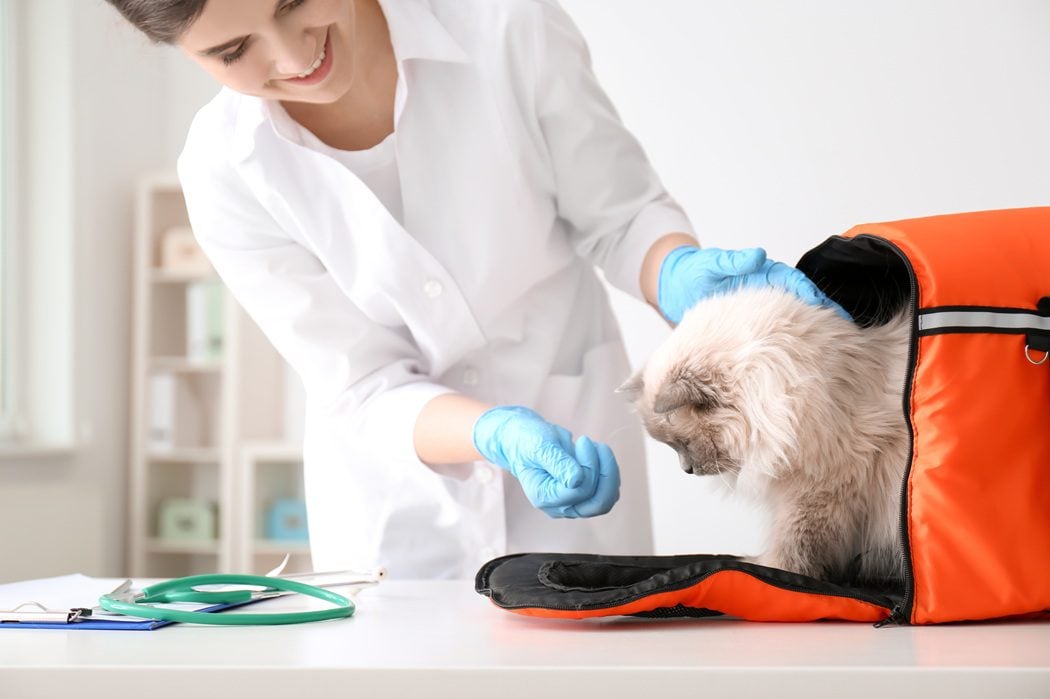
- Cat carrier or crate
- Waste bags or litter supplies
- Recent photos of your pet
Many Charlottesville families keep this kit near their own emergency supplies so everything can be grabbed quickly if evacuation becomes necessary.
Step 4: Plan for Temporary Pet Care
One of the most overlooked parts of emergency planning is what happens if you cannot reach your pet. If you’re stuck at work, traveling, or hospitalized, someone should know how to access and care for your pet. Choose a trusted neighbor, family member, or friend who:
- Knows where your pet supplies are stored
- Has access to your home
- Understands your pet’s feeding schedule
- Has your veterinarian’s contact information
Leave written instructions in your emergency plan so they can step in immediately.
Step 5: Prepare for Natural Disasters and Evacuations
While Charlottesville isn’t known for large-scale disasters, severe storms, flooding, and winter emergencies can happen unexpectedly. If evacuation becomes necessary:
- Never leave pets behind
- Keep carriers easily accessible
- Have ID tags and microchips updated
- Pack medical records and medications
Practice loading pets into carriers quickly. In stressful situations, animals may hide or resist unfamiliar routines.
Step 6: Learn Basic Pet First Aid
You don’t need to become a veterinary professional, but basic knowledge can help stabilize your pet before reaching the clinic. Helpful skills include:
- Recognizing signs of shock
- Controlling minor bleeding
- Safely transporting an injured pet
- Recognizing toxic exposure symptoms
Veterinary guidance is always required afterwards, but early action can make a critical difference.
Step 7: Recognize True Pet Emergencies
Some situations require immediate veterinary attention. Seek urgent care if your pet shows:
- Difficulty breathing
- Seizures or collapse
- Uncontrolled bleeding
- Suspected poisoning
- Severe vomiting or diarrhea
- Inability to urinate
- Trauma from accidents
When in doubt, it’s always safer to contact a veterinarian.
Emergency Planning Is an Act of Love
Pet owners often think emergencies won’t happen to them until they do. Preparing ahead of time protects the animals that rely on us for everything. At Autumn Trails Veterinary Center, our goal is not just to treat emergencies but to help Charlottesville pet owners prevent panic and respond confidently when urgent situations arise. A little planning today can make a huge difference tomorrow.
Walk in any day between 8 a.m. and 8 p.m., or learn more at Autumn Trails Veterinary Center. Because when your pet’s health is on the line, the right care shouldn’t have to wait.
FAQs
How do I know if my pet’s situation is an emergency?
If your pet is struggling to breathe, collapsing, bleeding heavily, or showing signs of poisoning, it should be treated as an emergency. Severe vomiting, seizures, and trauma also require immediate veterinary attention. When you’re unsure, it’s always safer to call your veterinarian for guidance.
What should be included in a pet emergency kit?
A pet emergency kit should contain food, bottled water, medications, bowls, a leash or carrier, and copies of medical records. Include recent photos of your pet in case they become lost. Keeping everything in one container makes it easy to grab quickly.
Should pets be evacuated during disasters?
Yes, pets should always be evacuated with their families whenever possible. Leaving pets behind can expose them to dangerous conditions without access to food or water. Planning transportation and carriers ahead of time helps make the evacuation smoother.
How can I prepare my pet for emergency travel?

Start by making carriers and crates part of your pet’s normal routine at home. Short practice trips can help pets become comfortable with travel. Pets that associate carriers with safety rather than stress are easier to move quickly during emergencies.
What if my pet needs emergency care after normal vet hours?
Knowing your veterinary clinic’s urgent care availability is important. Some clinics offer extended hours for emergency visits. Planning this in advance prevents delays during stressful situations.
Can veterinarians help create pet emergency plan?
Yes, many veterinarians provide guidance on emergency preparedness. They can help you understand your pet’s medical needs and recommend supplies for your emergency kit. Having a veterinary partner makes planning much easier.