Pet Surgery Near UVA: A Guide for Pet Owners
Table of Contents
If you’re a pet owner near the University of Virginia and your veterinarian has recommended surgery for your dog or cat, it’s normal to feel worried. Many owners immediately think about anesthesia risks, recovery time, and whether their pet will be in pain. Surgery can feel intimidating, especially if it’s your pet’s first procedure. At Autumn Trails Veterinary Center, located just minutes from the UVA grounds, we guide Charlottesville families through the entire surgical process so they understand exactly what’s happening and why. Keep reading to ease your concerns and learn what happens next.
Common Types of Pet Surgeries
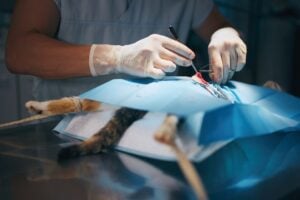
Veterinary surgery covers a wide range of procedures, from routine preventive operations to emergency medical treatments. Some of the most common surgeries performed for pets include spay and neuter procedures, mass removals, dental surgeries, wound repairs, and emergency procedures for injuries or internal issues.
Routine procedures like spaying or neutering are often planned well in advance and help prevent certain health conditions later in life. Other surgeries, such as tumor removals or intestinal blockages, may be recommended to treat serious medical conditions. Regardless of the type, the goal is always the same: improving your pet’s health and quality of life.
The Pre-Surgery Examination
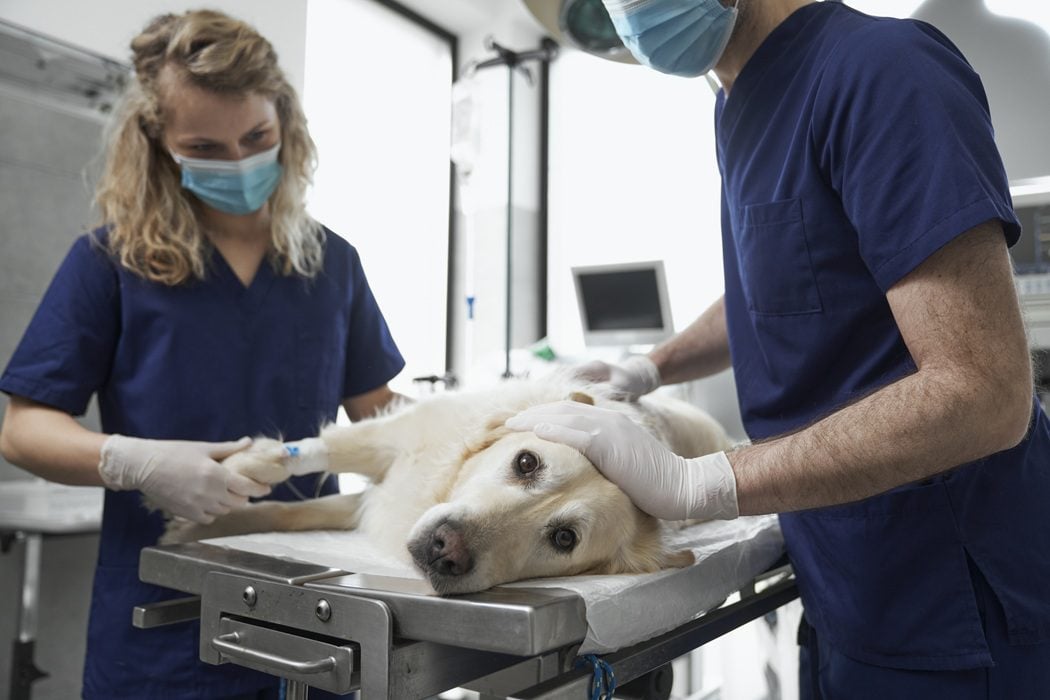
Before surgery, veterinarians perform a thorough physical exam and review your pet’s medical history. This step ensures your pet is healthy enough for anesthesia and allows the veterinary team to identify any potential risks. Pre-surgical testing may include bloodwork to evaluate organ function and detect underlying conditions.
These tests help determine the safest anesthesia protocol for your pet. If your pet has existing health issues, the surgical plan may be adjusted to provide extra monitoring and support. For Charlottesville pet owners, having a veterinary center close to home, especially near UVA, makes these pre-surgical visits convenient and less stressful for both pets and their families.
What Happens on the Day of Surgery
On surgery day, pets are usually admitted to the veterinary center in the morning. Your veterinary team will review instructions, confirm fasting requirements, and answer any final questions. Once admitted, your pet is carefully prepared for surgery.
This preparation typically includes placing an intravenous catheter, administering anesthesia, and monitoring vital signs, including heart rate, oxygen saturation, and blood pressure, throughout the procedure. Veterinary staff remain present the entire time, ensuring your pet stays stable and comfortable during surgery.
Pain Management and Safety
One of the biggest concerns for pet owners is whether their pet will experience pain. Modern veterinary medicine places strong emphasis on pain prevention and comfort. Pets receive pain medication before, during, and after surgery to reduce discomfort.
Anesthesia monitoring equipment allows veterinary teams to closely track your pet’s condition throughout the procedure. At Autumn Trails Veterinary Center, our surgical protocols focus on patient safety and comfort at every stage, from anesthesia monitoring to post-operative recovery.
The Recovery Process
After surgery, pets are moved to a quiet recovery area where they are monitored as they wake up from anesthesia. Veterinary staff observe breathing, heart rate, and temperature to ensure a smooth recovery. Most pets go home the same day once they are stable and alert.
Your veterinarian will provide clear discharge instructions, including medication schedules, activity restrictions, and signs to watch for during healing. Recovery time varies depending on the type of surgery, but many routine procedures require about 10 to 14 days for full healing.
How to Care for Your Pet After Surgery?
When your pet returns home, the focus shifts to rest and monitoring. Limiting activity is important to prevent complications such as swelling or incisional damage. Owners are usually advised to keep pets from licking surgical sites, often with the help of a protective collar.
Following medication schedules and attending follow-up appointments helps ensure the healing process stays on track. Most pets bounce back quickly when post-surgery care is handled properly.
Importance of Location for Surgical Care
For Charlottesville residents, convenience can play a big role in choosing veterinary care. Having a surgical facility located close to UVA means less travel time for pets who may already feel anxious or uncomfortable.
Autumn Trails Veterinary Center is located just minutes from the university grounds and near the Stonefield shopping area, making drop-offs and follow-up visits easier for local families. This proximity also helps ensure quick access if any post-surgical concerns arise.
The Bottom Line
Pet surgery can feel overwhelming, but understanding the process helps reduce uncertainty. From pre-surgical exams to recovery care, each step is designed to keep pets safe and comfortable while addressing their medical needs.
At Autumn Trails Veterinary Center, our team works closely with Charlottesville pet owners to make the surgical experience as smooth and stress-free as possible. With experienced veterinary staff, modern facilities, and convenient access near UVA, your pet’s care remains the top priority.
If you have concerns about your pet’s health, contact us today or walk in any day between 8 a.m. and 8 p.m. We provide the best urgent care services to keep your pets healthy and happy, especially in emergencies. We offer veterinary services in Charlottesville, VA. To book an appointment, call us at (434) 971-9800.
FAQs
How long do pets usually stay at the veterinary clinic after surgery?
Most routine surgeries allow pets to return home the same day once they are fully awake and stable. More complex procedures may require overnight monitoring. Your veterinarian will recommend the safest option based on your pet’s condition and recovery progress.
Is anesthesia safe for dogs and cats?
Modern veterinary anesthesia is very safe, especially when proper monitoring and pre-operative assessments are performed. Bloodwork and health checks help veterinarians choose the safest medications for each pet. Monitoring equipment tracks vital signs throughout the procedure to reduce risks.
How long does it take for pets to recover from surgery?
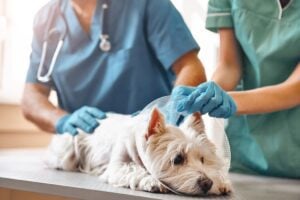
Recovery time depends on the type of surgery performed. Many routine procedures require about 10–14 days for the incision to heal. More complex surgeries may take several weeks, and your veterinarian will provide detailed recovery instructions.
Will my pet be in pain after surgery?
Veterinarians use multiple forms of pain management to keep pets comfortable. Pain medications are typically given before, during, and after surgery. Most pets recover with minimal discomfort when medications and activity restrictions are followed properly.
What signs should I watch for after my pet’s surgery?
Watch for swelling, redness, discharge from the incision, loss of appetite, or unusual lethargy. Mild sleepiness is normal after anesthesia, but severe symptoms should be reported to your veterinarian. Follow-up visits help ensure the healing process stays on track.