Should You Boarding Your Pet While Traveling? Pros and Cons to Consider
Table of Contents
If you’re planning a trip and wondering whether boarding is the right choice for your dog or cat, you’re at the right article. Many Charlottesville pet owners feel torn before traveling due to uncertainty about how their pet will handle being away from home. Some pets do incredibly well in boarding environments, while others struggle with stress or routine changes. This article breaks down the pros and cons of pet boarding during travel to help you make the right choice for your pet.
Pet Boarding Has Become Common
Modern pet boarding is very different from what many people picture. It’s no longer just rows of kennels and quick feeding schedules. Many veterinary boarding facilities now focus heavily on comfort, supervision, routine care, and safety.
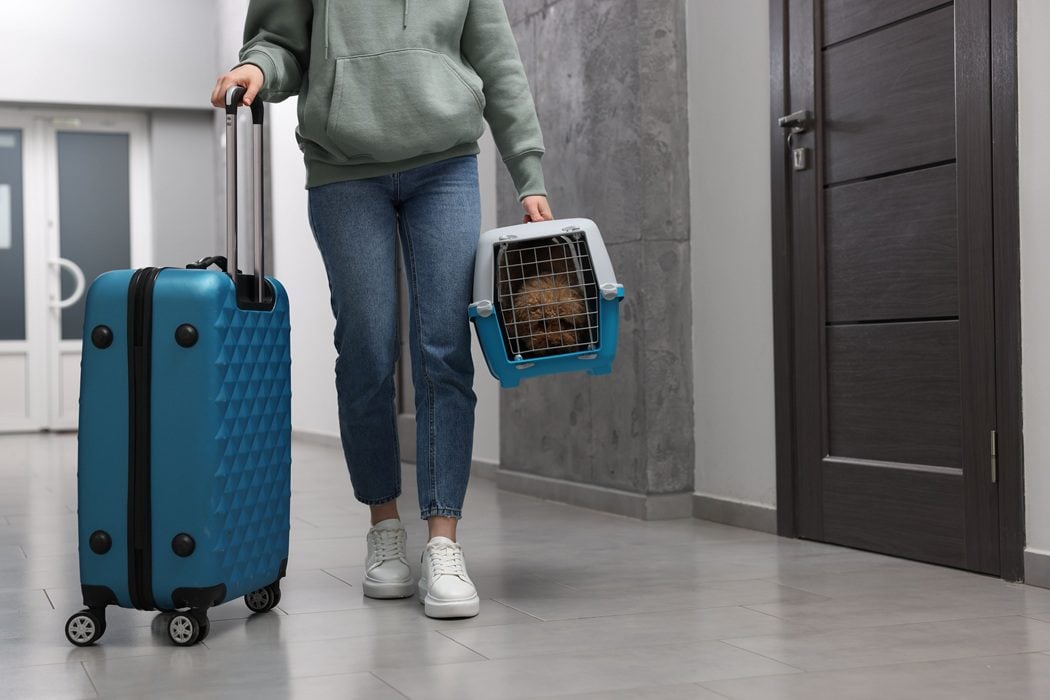
For pet owners traveling for work, vacations, weddings, or emergencies, boarding often becomes the most practical and reliable option. In a city like Charlottesville, where many residents travel for holidays or weekend getaways, boarding demand increases quickly throughout the year.
The Benefits of Boarding Your Pet
Boarding can actually be a positive experience for many pets, especially when the environment is clean, structured, and professionally supervised.
1. Consistent Supervision
One major advantage is that pets are monitored regularly throughout the day. If a pet becomes sick, anxious, or injured, trained staff can respond quickly. This is especially important for pets with medical conditions or medications that require careful timing.
2. Reliable Feeding and Medication Schedules
Leaving detailed instructions with a boarding facility helps maintain your pet’s routine while you’re away. At veterinary-supervised boarding centers like Autumn Trails, medications and special care plans can be handled by trained staff rather than relying on occasional check-ins from neighbors or friends.
3. Safer for Some Pets Than Staying Home Alone
Some pets become destructive, anxious, or unsafe when left alone for extended periods. Dogs that need regular bathroom breaks, social interaction, or medical monitoring often do better in structured boarding environments than isolated at home.
4. Immediate Access to Veterinary Care
This is one of the biggest advantages of veterinary boarding specifically. If a health issue develops during the stay vomiting, diarrhea, limping, allergic reactions, or appetite loss, medical care is immediately available. That peace of mind matters, especially for senior pets or pets with chronic conditions.
The Downsides of Pet Boarding
Boarding isn’t perfect for every pet.
1. Stress and Anxiety
Some pets struggle with changes in environment, smells, and routines. Cats, especially, can be sensitive to unfamiliar settings. Even social dogs may need time to adjust during the first day or two.
2. Exposure to Other Animals
Any shared environment carries some exposure risk, which is why vaccinations are so important. Well-managed facilities reduce these risks significantly through cleaning protocols and vaccine requirements, but no environment is completely risk-free.
3. It May Not Be Ideal for Every Personality
Very anxious pets, medically unstable animals, or pets with severe behavioral issues may struggle in boarding environments. In some situations, in-home pet sitting or specialized medical boarding may be the better fit.
How to Tell if Boarding is Suitable for Your Pet?
Some signs your pet may do well with boarding include:
- Adapting well to new environments
- Comfort around unfamiliar people
- Manageable anxiety levels
- Ability to follow routines
Pets that panic during separation, stop eating under stress, or become aggressive may need a different care approach. At Autumn Trails Veterinary Center, we often recommend trial stays or short visits before longer boarding periods for nervous pets.
What Charlottesville Pet Owners Should Look For
Not all boarding facilities are equal. Before choosing a boarding provider, ask:
- Is veterinary staff available?
- How are emergencies handled?
- What cleaning protocols are used?
- Are pets supervised regularly?
- Can medications be administered?
- What happens if my pet stops eating?
Touring the facility ahead of time can also help you feel more confident about your decision.
Making Boarding Easier for Your Pet
Preparation makes a huge difference. Helpful tips include:
- Bringing familiar bedding or toys
- Packing your pet’s regular food
- Updating vaccines early
- Providing detailed instructions
- Avoiding emotional goodbyes during drop-off
Believe it or not, pets often pick up on owner anxiety more than people realize. The calmer you are, the smoother the transition usually becomes.
Veterinary Boarding Offers Extra Peace of Mind
For many Charlottesville families, veterinary boarding provides an extra layer of reassurance, especially for older pets or pets with health conditions. At Autumn Trails Veterinary Center, pets staying for boarding benefit from:
- Trained medical staff
- Medication administration
- Access to urgent care if needed
- Extended operating hours from 8 a.m.–8 p.m. daily
That combination of comfort and medical oversight helps many owners travel more confidently.
Takeaway
Boarding your pet during travel comes with both benefits and challenges. For many pets, it provides structure, supervision, and safety while owners are away. For others, stress and routine disruption may require alternative solutions.
The key is choosing the right environment for your pet’s specific needs. At Autumn Trails Veterinary Center, we help Charlottesville pet owners make informed boarding decisions with compassionate care, honest guidance, and veterinary support every step of the way.
If you’re planning a trip and want the best possible care for your pet, book veterinary-supervised boarding at Autumn Trails Veterinary Center. Our Charlottesville team is here seven days a week to provide the perfect blend of comfort, compassion, and clinical care for pets who need a little extra love. For further information, call 434-971-9800. We can help you plan your pet’s stay.
FAQs
Is veterinary boarding safer than traditional boarding?
Veterinary boarding provides immediate access to medical care if problems arise. This is especially beneficial for senior pets, pets with medications, or pets with chronic health conditions. Traditional boarding may not offer the same medical oversight.
How long does it take pets to adjust to boarding?
Many pets begin adjusting within the first 24–48 hours. Social dogs often adapt faster than anxious pets or cats. Short trial stays can help ease future boarding experiences.
What should I pack for pet boarding?
Bring your pet’s food, medications, feeding instructions, and a familiar comfort item like a blanket or toy. Keeping routines consistent helps reduce stress during the stay. Clear written instructions are always helpful.
Can pets get sick while boarding?
While reputable facilities use vaccines and cleaning protocols to reduce risk, exposure to other animals can still increase the chance of illness. Choosing a well-managed facility helps minimize these concerns.
What if my pet has separation anxiety?
Some anxious pets still do well with gradual preparation and structured care. Others may need alternative arrangements like in-home sitting or medical boarding. Your veterinarian can help determine the safest option based on your pet’s behavior.