Early Arthritis in Pets: Signs Many Owners Overlook
Table of Contents
If you’re a pet owner in Charlottesville worried that your dog or cat is slowing down, this guide is for you. Many families notice small changes, hesitation on stairs, stiffness in the morning, a little less enthusiasm, but assume it’s just aging. Those small shifts can actually be early arthritis, and catching it early can spare your pet a lot of pain. Learn how to identify these subtle signs every day and treatment options to keep pets comfortable, mobile, and happy for years.
What Arthritis Looks Like in the Early Stages?
Arthritis rarely shows up all at once. It sneaks in quietly. Pets adjust their movements to hide discomfort, so many owners don’t realize anything is wrong until the pain becomes significant. Early-stage arthritis often looks like personality or behavior changes long before you see a classic limp.
Most dogs and cats aren’t dramatic about pain. They just do less, or move differently, or sleep more. That’s why spotting the early cues matters so much.
1. Slower Getting Up or Lying Down
If your dog hesitates before standing or pushes up using mostly their front legs, that’s often an early joint pain sign.
2. Hesitation on Stairs or Into the Car
Dogs with early arthritis often pause before jumping into the car or climbing steps, even ones they used to sprint up.
3. Reduced Interest in Walks
This is a big one. If your normally excited dog suddenly drags behind or cuts walks short, discomfort may be building.
4. Subtle Limping
It may come and go. Limp in the morning, fine by evening. That on-off pattern is classic arthritis.
5. Irritability When Touched
A dog that snaps, moves away, or stiffens when you touch its hips or elbows may be signaling joint soreness.
Early Signs of Arthritis in Cats
Cats are masters at hiding pain, so their early signs are often mistaken for slowing down. Look for quiet, subtle shifts.
1. Jumping Less or Not as High
Cats avoid the couch back, windowsill, or counters because jumping hurts.
2. Missing the Litter Box
Not because of behavior issues, stepping into tall-sided boxes can be painful.
3. Grooming Less
If your cat’s coat looks dull or unkempt, she’s grooming less. Stiffness may be preventing them from twisting to reach certain spots.
4. More Irritable or Withdrawn
Cats in pain often hide more or act grumpy when handled.
5. Sleeping in New Locations
Cats seek warmer, softer places when their joints ache, like floor vents or thick bedding.
Behavior Changes You Shouldn’t Ignore
Arthritis doesn’t just affect movement; it changes how pets behave. You may notice:
-
A normally social pet spending more time alone
-
Less enthusiasm when you come home
-
More growling or hissing during handling
-
Forgetting learned behaviors like not jumping into the car, not using the bed you bought
These small shifts are easy to overlook. In many cases, they’re your pet quietly saying something hurts.
When to Seek Veterinary Care
If any of these early signs look familiar, it’s time for a checkup. Arthritis can’t be cured, but early treatment drastically slows progression. That may include weight management, joint supplements, anti-inflammatory medications, laser therapy, or lifestyle adjustments.
Local Note for Charlottesville Pet Owners
We see a lot of pets affected by Virginia’s seasonal shifts. Cold, damp days in fall and winter often make arthritic joints feel worse. If your dog seems extra stiff during chilly mornings or your cat struggles to jump more during February than July, that’s common and treatable.
Living near UVA, Stonefield, or Rio Road? You’re only minutes from our clinic, making follow-up visits convenient if your pet needs ongoing arthritis support.
The Bottom Line: Catching Arthritis Early Means Less Pain Later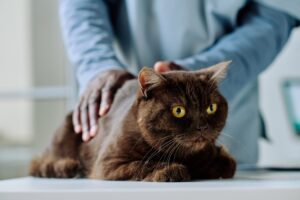
Arthritis may be subtle at first, but the earlier you spot the signs, the more you can do to keep your pet comfortable. If you’ve noticed changes, slowing down, hesitating, stiffness, irritability, don’t dismiss it as aging.
Autumn Trails Veterinary Center is here to help you figure out what’s normal and what needs attention. Our team understands how difficult it is to watch a beloved pet struggle, and we work with you to create a plan that supports mobility, comfort, and a better quality of life. If you’re in Charlottesville and worried your pet may have early arthritis, schedule a visit or walk in any day. We’re here to help. Appointments are also conveniently available. Call us at (434) 971-9800.